
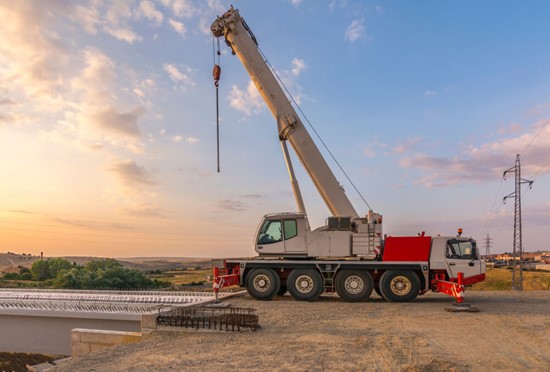
Cranes are a vital part of many construction and industrial projects across Australia. From high-rise lifts to precise installations on tight sites, they make heavy lifting prompt and more efficient. However, there are serious potential risks involved in this industry. Here at Surf City Cranes, we prioritise safety at every step of the way. This guide will walk you through the most important crane safety practices every operator should follow.
Crane Safety Practices Begin with Pre-Operational Checks
A safe lift begins with proper planning. Prior to any crane being put to work, operators must complete a thorough inspection and job assessment. This includes reviewing site access, ground stability and the setup configuration of the concerned crane.
Key checks should include:
- Inspecting hooks, wire ropes, brakes and hydraulics
- Confirming load charts and safe working limits
- Identifying potential hazards around the lift zone
By making these checks a part of your daily routine, you lay the groundwork for safer, smoother crane operations!
Crane Operator Training Ensures Skilled Performance
Every lift should be carried out by a qualified professional who understands both the equipment and the site conditions. At Surf City Cranes, we only work with operators who hold up-to-date certifications and have completed the required crane operator training under Australian law, which means holding a valid High Risk Work Licence.
Ongoing refresher courses are just as important as initial qualifications. With safety standards evolving, operators must stay aligned with the latest WHS crane guidelines to guarantee their skills remain relevant.
Crane Operation Safety Requires Correct Lifting Techniques
Once the crane is in motion, everyone on site must work as a team. Operators, riggers and spotters need to coordinate clearly and follow proven techniques to avoid accidents and maintain precision.
Some essential crane safety practices during lifts include:
- Using proper rigging methods suited to the load
- Communicating clearly using hand signals or radios
- Avoiding sudden movements or swinging loads
When everyone on site knows their role and follows safe procedures, crane operation safety becomes a shared responsibility.
WHS Crane Guidelines Help Navigate Environmental Risks
Changing weather, uneven terrain and restricted access all impact crane performance. Operators must adjust their plan based on the conditions they face on site each day.
High winds, wet ground or proximity to power lines all require additional caution. The latest WHS crane guidelines outline how to work safely around such challenging conditions. By following those guidelines, operators can reduce risks and make informed decisions on whether it is safe to proceed.
Responding to Incidents is Part of Crane Operation Safety
Emergencies can happen even with the best planning. That’s why it’s important to establish and rehearse response procedures. A clear protocol for equipment failure, weather disruption or near misses can save lives and protect your team.
We recommend assigning a dedicated site safety officer to oversee lifting operations and ensure quick action when needed. Encouraging open reporting and safety awareness creates a stronger culture of responsibility and response.
Partner with Safety-Focused Professionals in Brisbane
With over 30 years of experience, Surf City Cranes proudly delivers safety-focused crane hire across the Gold Coast. Our fleet is expertly maintained, and our operators are fully trained to support your team from planning to execution. Whether you need inspections, lift guidance or crane operator training, we’re here to help. Contact us today for expert support across Brisbane, the Gold Coast and Northern New South Wales.


